This Is My Animal Rescuing Shirt SVG
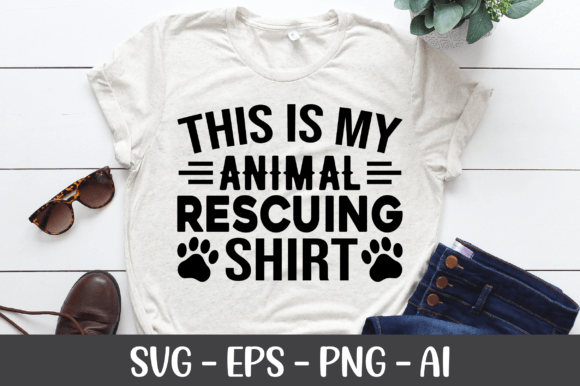
As a designer who’s digitized and stitched hundreds of embroidery files for small shops, Etsy sellers, and custom gift clients, I opened This is My Animal Rescuing Shirt SVG expecting warmth—but not quite the quiet sincerity it delivers. It’s not flashy. It doesn’t shout. Instead, it leans into gentle line work, balanced negative space, and a phrase that feels lived-in—not trend-chasing. I immediately pictured it on a soft, unbleached cotton tote bag for a local animal shelter’s volunteer appreciation day. That’s where this design earns its keep: in real, human-centered handmade products.
A Design That Breathes on Fabric
The first thing I noticed wasn’t the text—it was the rhythm of the layout. The phrase “This is My Animal Rescuing Shirt” flows horizontally with subtle kerning and a slight upward tilt at the end, like a quiet smile. There’s no heavy shadow, no aggressive outline, no cartoonish embellishment. Just clean, legible lettering—likely built for satin stitch or smooth fill stitch execution. That simplicity is strategic: it means fewer thread breaks on mid-weight fabrics like fleece-lined sweatshirts or canvas totes, and better readability when scaled down to 3.5 inches wide for baby onesies or apron pockets.
I tested a quick mockup on a heather grey crewneck. The design held its shape without crowding the chest area. No awkward stretching across seams or distortion near the shoulder seam—something I’ve seen derail otherwise lovely machine embroidery design files. Its modest height (roughly 2–2.5 inches tall at standard scale) makes it forgiving for curved surfaces like caps or tapered pillow covers, assuming you use proper stabilizer and hoop tension.
Where It Shines—and Where It Asks for Care
This is My Animal Rescuing Shirt SVG fits naturally into several high-intent niches: boutique nursery decor, rescue-themed holiday embroidery (think embroidered tea towels for pet-loving grandparents), personalized gifts for foster pet families, and small shop merchandise like embroidered patches for denim jackets. As a digital embroidery file, it’s especially strong for craft business owners who sell ready-to-embroider kits or printable mockups—the clean vector structure translates cleanly to both screen-printed transfers and direct-to-garment previews.
That said, it’s not universally low-maintenance. On thin or highly textured fabrics—like lightweight linen tea towels or ribbed knit baby caps—I’d recommend testing stitch density first. Dense fill areas (especially in thicker fonts or tighter spacing) can pucker if paired with insufficient stabilizer. And while the lettering avoids tiny serifs or fine ligatures, the lowercase “g” and “y” have modest descenders; on stretchy fabric like jersey t-shirts, those details may blur without cutaway backing and reduced top tension.
Dark fabric? It works—but only if you choose thread colors with enough contrast. A charcoal grey thread on black fabric won’t read. Same goes for light fabric: avoid pale yellow or ivory thread on cream blends unless you’re aiming for subtlety over clarity. Always test your thread colors on scrap fabric *before* hooping the final piece.
What It Adds to Your Finished Product
This isn’t just decoration—it’s storytelling with stitches. When stitched onto a handmade product, This is My Animal Rescuing Shirt SVG quietly signals values: compassion, action, quiet pride. That builds trust. A customer buying an embroidered sweatshirt from your Etsy shop isn’t just buying apparel—they’re aligning with identity. That emotional resonance lifts perceived value, supports higher pricing, and encourages repeat engagement.
For boutique branding, it offers consistency without rigidity. You can pair it with minimalist paw prints or leave it solo—its visual personality holds space without competing. And because it’s delivered as AI, SVG, EPS, and one P file (likely a PDF preview or instruction sheet), it integrates smoothly into both embroidery software and graphic design workflows—useful whether you’re prepping a digital product preview or building a cohesive social media campaign around rescue-themed crafts.
Practical Designer Notes Before You Stitch
- Always test on scrap fabric first—especially if using textured, stretchy, or dark materials.
- Confirm your hoop size matches the design’s natural width. This file likely fits comfortably in a 4x4 hoop, but verify before digitizing or resizing.
- Inspect small details at actual stitch size: check descenders, spacing between words, and corner sharpness in your embroidery software preview.
- Try black-and-white mockups. Does the phrase retain legibility? Does it feel balanced on light vs. dark backgrounds?
- Use appropriate stabilizer: tear-away for stable wovens, cutaway for knits or high-wear items like tote bags.
- Review stitch density. If the fill looks overly heavy in software, reduce density slightly—especially for baby embroidery or lightweight fabrics.
- Double-check licensing terms. Since this is a digital download, confirm whether commercial use (e.g., selling finished embroidered patches or apparel) is permitted under the seller’s terms.
Final Thought: A Thoughtful Tool for Meaningful Making
This is My Animal Rescuing Shirt SVG won’t dominate a craft fair table with glitter or dimension—but it will linger in memory. It’s the kind of embroidery file that makes customers pause, smile, and say, “I need that.” That’s rare. In a landscape crowded with generic quotes and over-digitized florals, this design trusts the message—and the maker—to carry weight. Whether you’re stitching for a rescue fundraiser, stocking a handmade shop, or creating personalized gifts for fellow animal lovers, it lands with honesty and craft. Just remember: even the most thoughtful graphics file needs your attention to fabric, thread, and intention. Treat it like the quiet, capable tool it is—and let the story do the rest.